Destinations
Destinations — Where We Travel in Kyrgyzstan
Kyrgyzstan is compact on the map and slow on the road. Start with your season, then choose the places that match your pace.
Four anchors. Six journeys worth more time.
Kyrgyzstan is bigger than it looks on the map, but for trip-planning it helps to think of it in four parts: Issyk-Kul, the lake I grew up on; the lake's shore bases — Karakol, Jyrgalan and Bokonbaevo; the high lakes and Silk Road sites of the interior — Song-Kul, Tash Rabat, Altyn Arashan and Ala-Archa; and the far west and the Alay Valley — Sary-Chelek and Lenin Peak base camp. Each card below is an honest one-paragraph guide written from my own years on these roads, not a brochure summary. Where a place has quirks — a pass that closes with the first snow, a town that is a trekking base rather than a beach resort, a lake you are not allowed to swim in — I say so on the page, because a trip planned on honest expectations is always a better trip. Start with the region that matches your season, then read the individual guides for access, timing and what each place is really like on the ground.
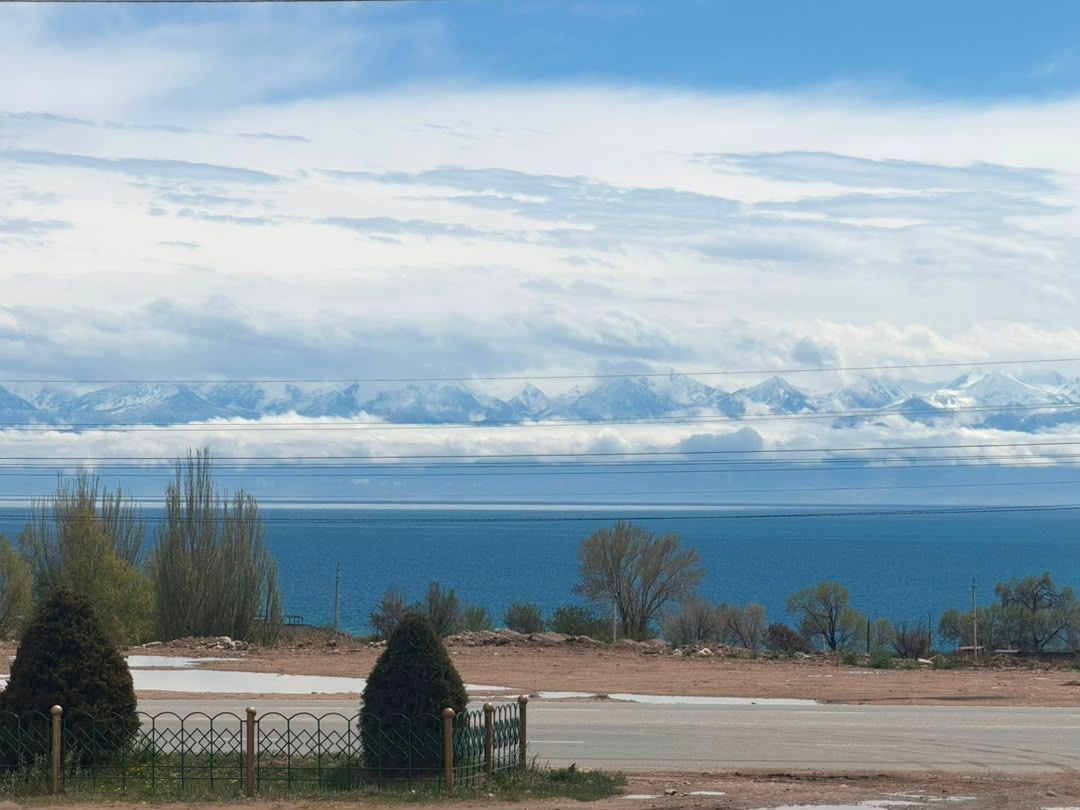
Issyk-Kul travel guide | Tianshan Tours
The lake I grew up on, with two very different shores.
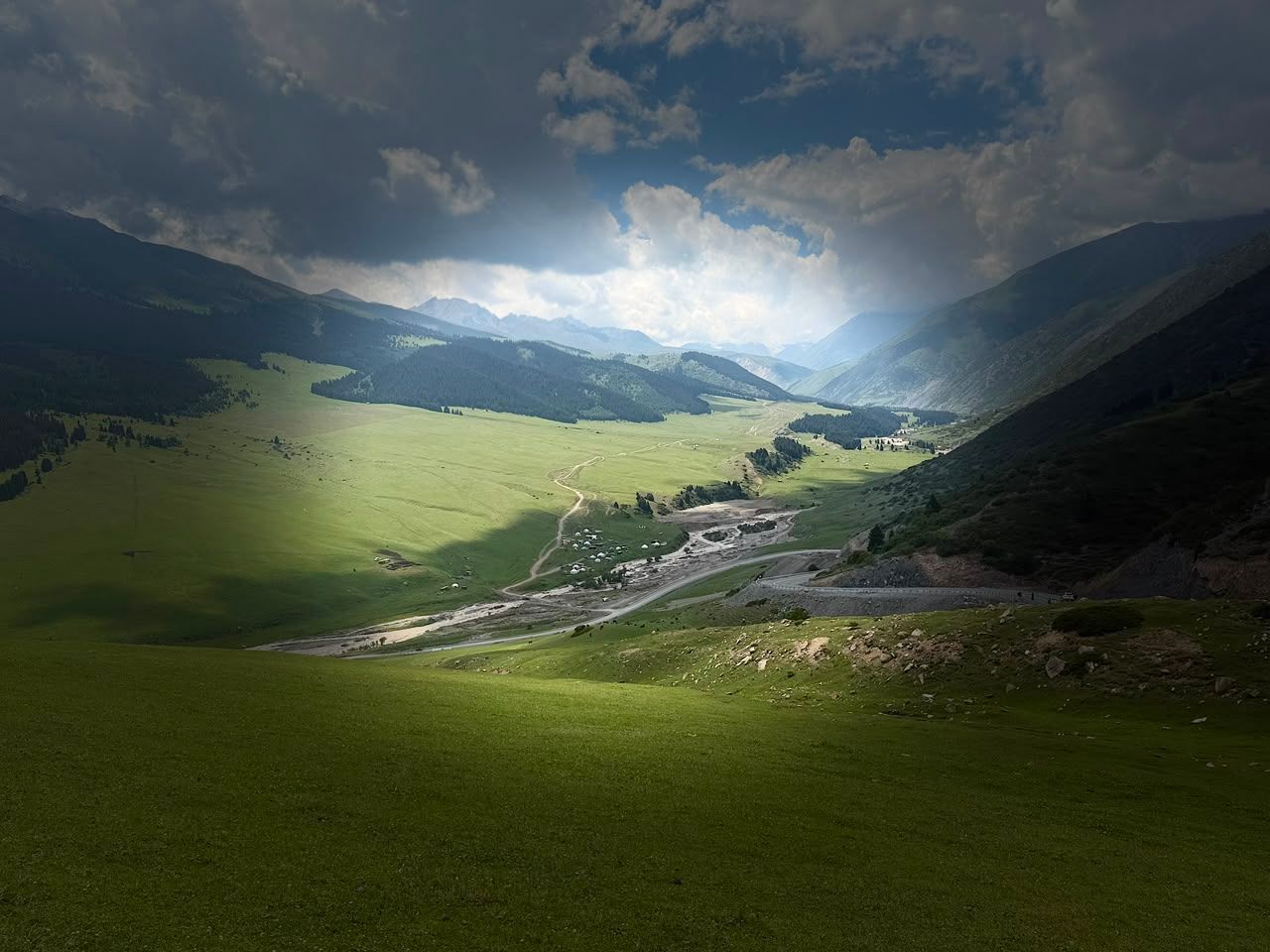
Karakol travel guide | Tianshan Tours
The east-shore base for trekking, skiing, food and markets.
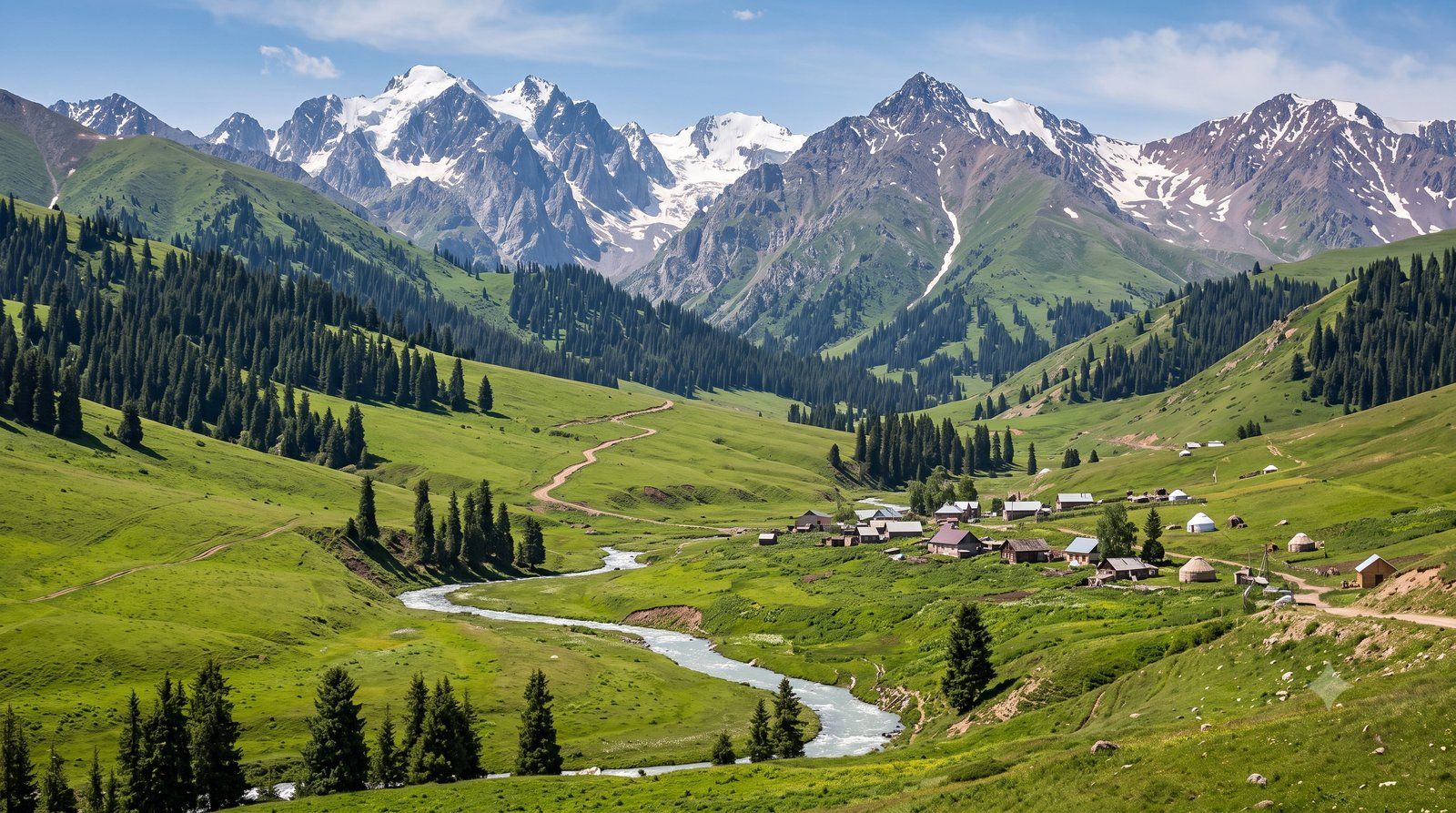
Jyrgalan travel guide | Tianshan Tours
Community valley trails in summer and lift-free winter snow.
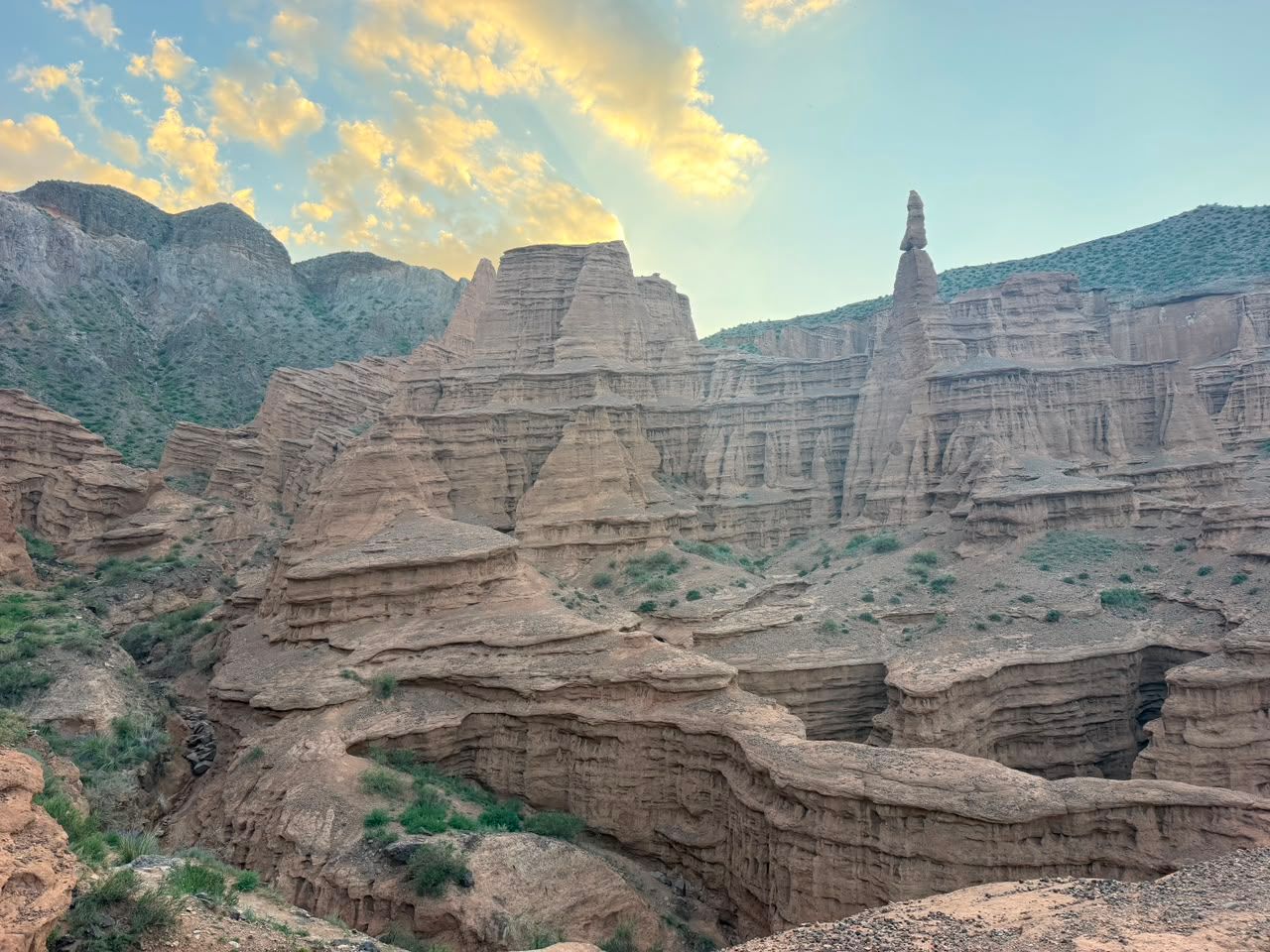
Bokonbaevo & south shore travel guide | Tianshan Tours
Eagle hunters, red-rock canyons and quiet lake camps.
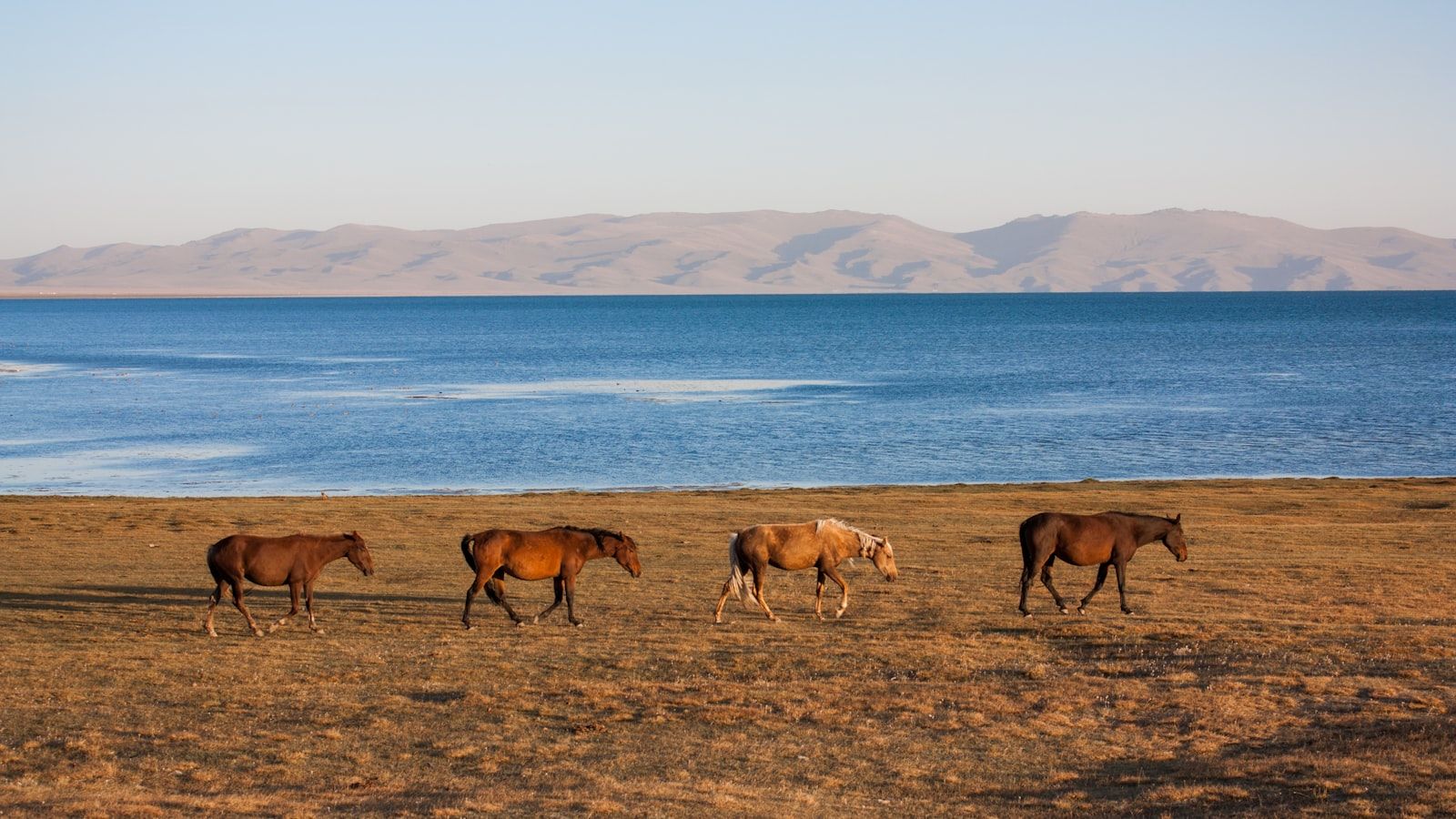
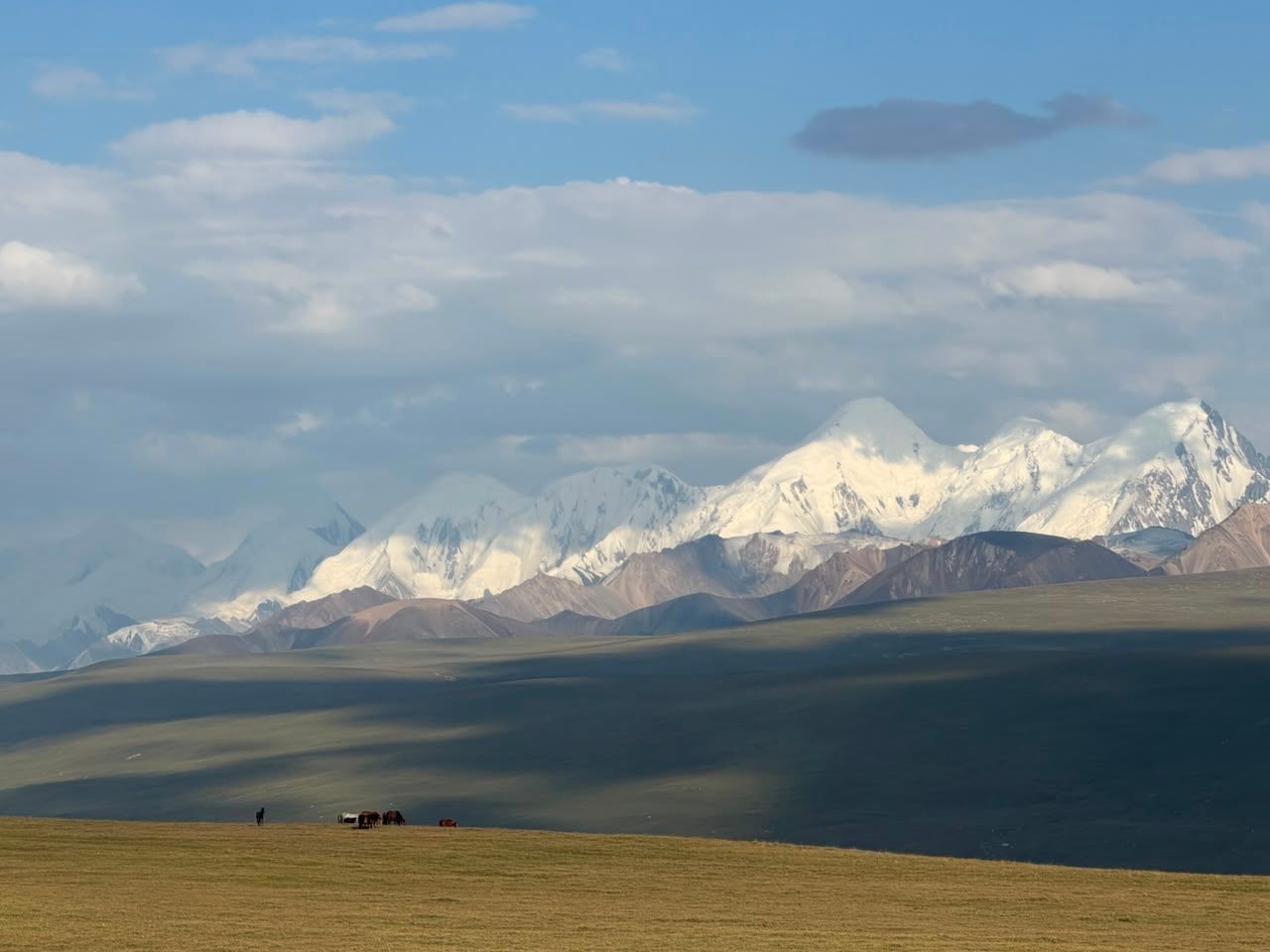
Song-Kul travel guide | Tianshan Tours
High pasture, yurt camps and horse country at 3,016 m.
Photo by Daniele Nabissi on Unsplash
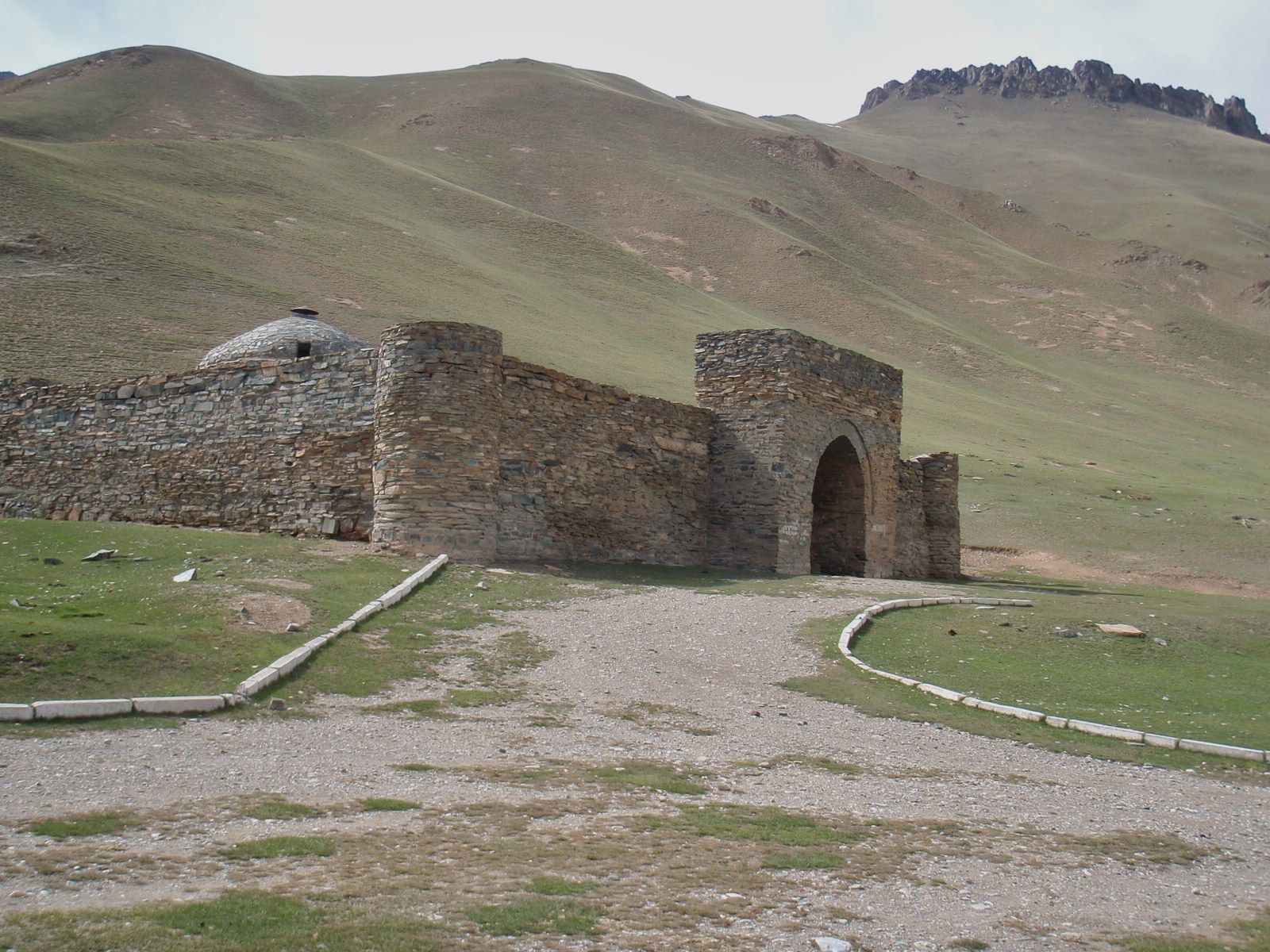
Tash Rabat travel guide | Tianshan Tours
A 15th-century stone caravanserai in a high valley.
Photo by Raki_Man on CC BY 3.0
Ala-Archa travel guide | Tianshan Tours
River walks and serious alpine routes near Bishkek.
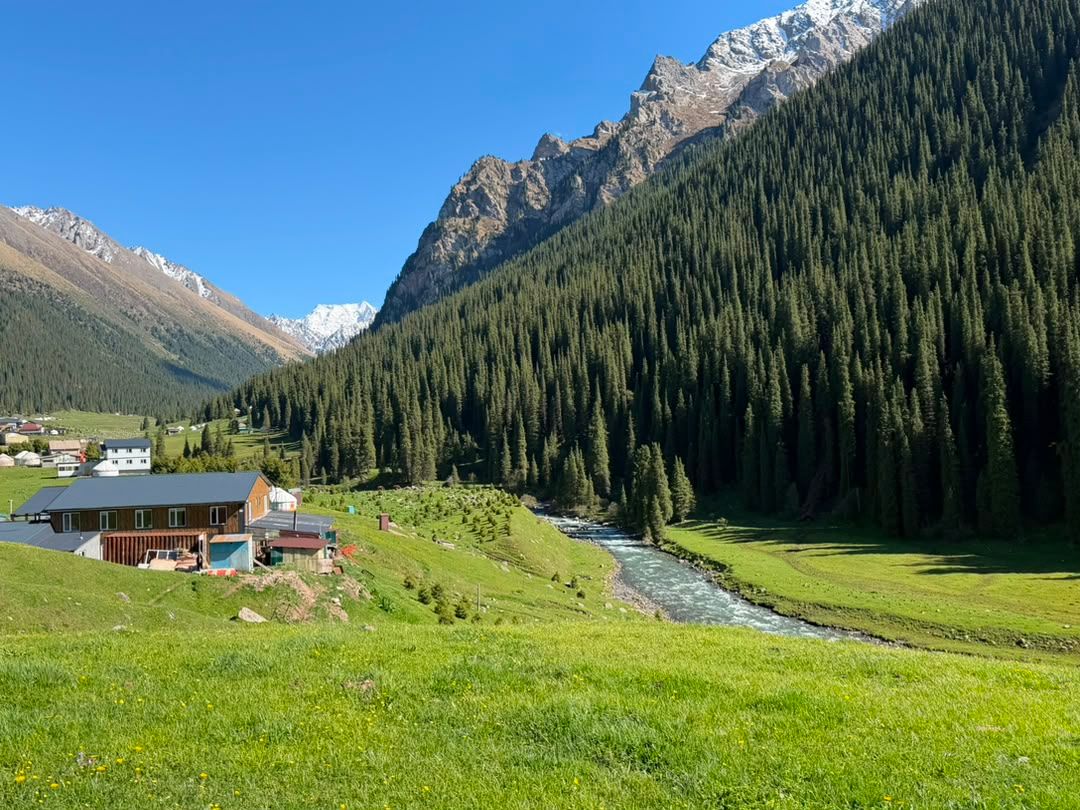
Altyn Arashan travel guide | Tianshan Tours
Hot springs and the classic Ala-Kul trekking route.
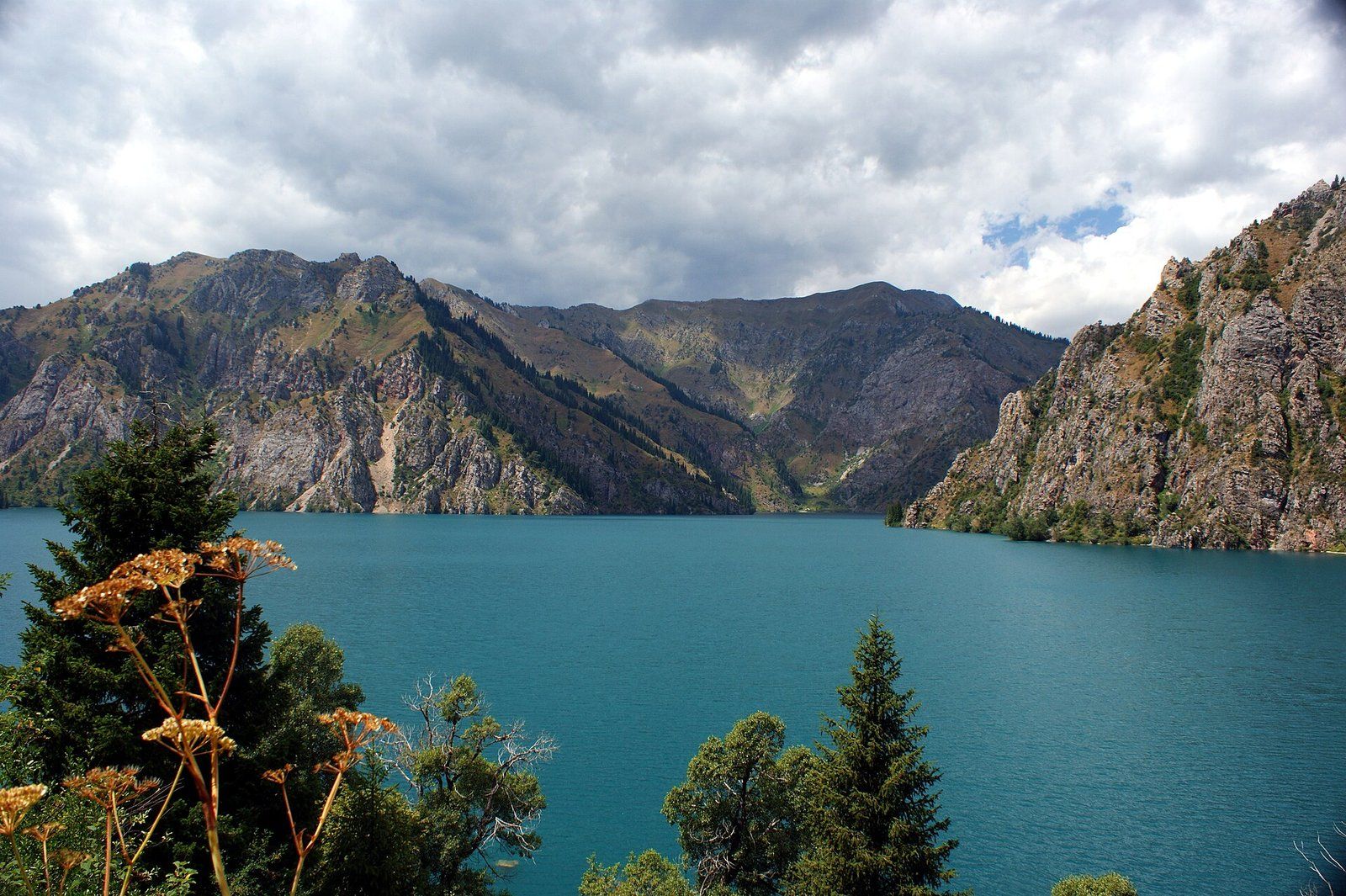
Sary-Chelek travel guide | Tianshan Tours
Protected western forests and a deep mountain lake.
Photo by Kondephy on CC BY-SA 4.0
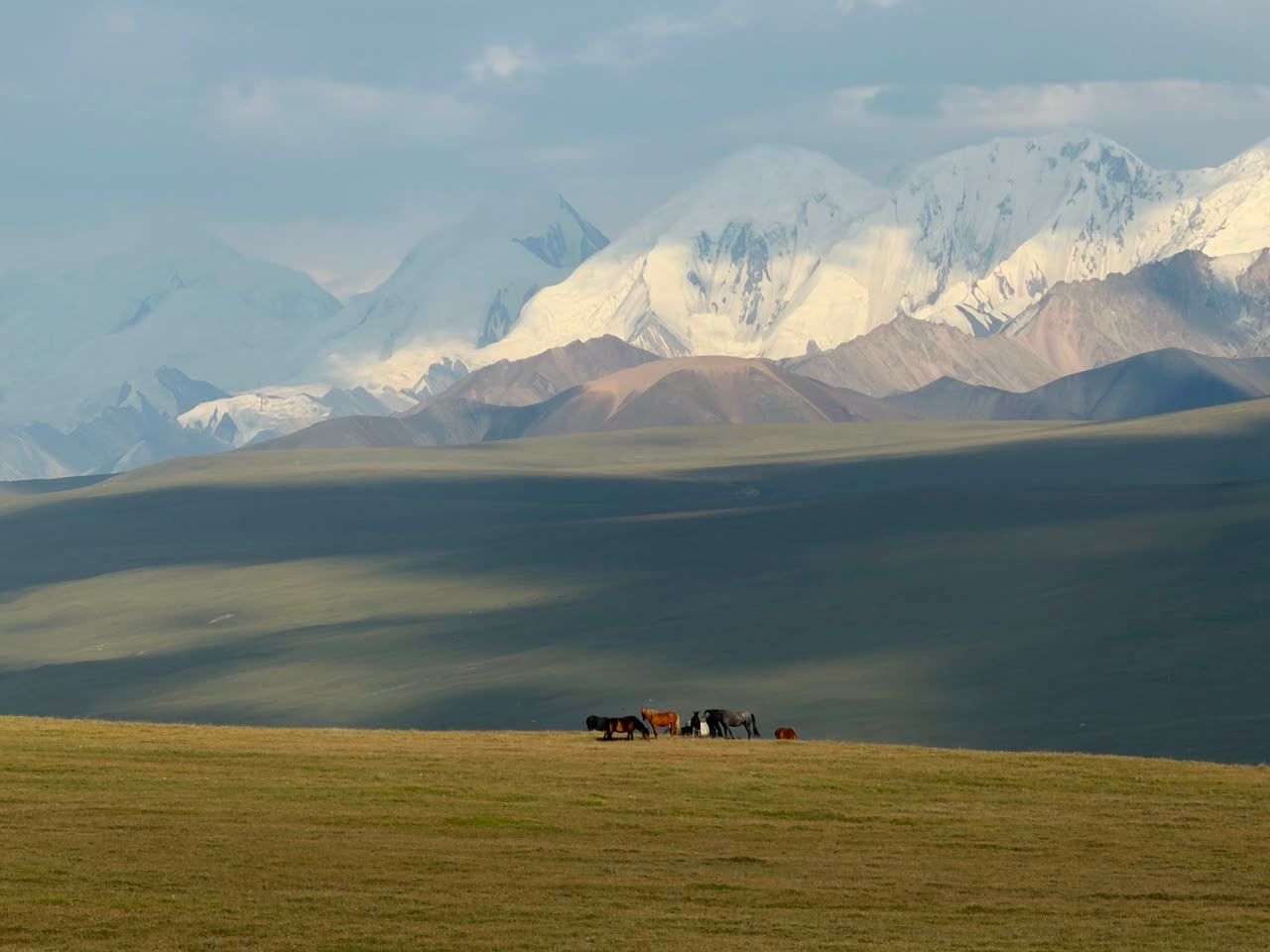
Lenin Peak & Alay travel guide | Tianshan Tours
Yurt camps and glacier views beneath a 7,134 m peak.
Why do most trips start at Issyk-Kul?
Because the lake is both the geographic and the logistical heart of the country. A single road corridor runs from Bishkek through the Boom gorge to the lake's west end — about 265 km to the north-shore resorts, about 400 km to Karakol in the east — and from that corridor you can reach beaches, eagle hunters, petroglyphs, gorge trailheads and two ski bases without ever needing a domestic flight. The corridor matters in the other direction too: the lake's shore towns are where public transport is densest, where community-tourism networks are longest established, and where a traveler without a car can still reach real mountains. For a first trip of a week or more, the lake almost always anchors the route; the only real question is which shore you give your days to. The full answer — swim seasons, shore character, bases and how to get there — is on the Issyk-Kul page.
North shore or south shore?
Many first trips use the lake as their anchor, but the two shores feel very different.
| North shore | South shore | |
|---|---|---|
| Character | Resort strip, busiest in July–August | Villages and yurt camps, calm even in peak season |
| Best for | Easy beach holidays, families, amenities | Culture, trekking trailheads, slow travel |
| Highlights | Cholpon-Ata beaches, petroglyphs, gorge day trips | Bokonbaevo eagle hunters, Skazka Canyon, Tosor beach |
That is the teaser — the full breakdown, with beaches, access and who each side suits, lives on the Issyk-Kul destination guide.
Which mountain valleys and high lakes should you know?
Beyond the lake, four names come up in almost every itinerary I plan — two high-altitude classics of the interior, and two mountain parks that bookend a trip. Song-Kul is a 3,016 m alpine lake with no permanent buildings — shepherd-run yurt camps that exist only from June to September, and the country's classic horse-trek destination. Come prepared: even in midsummer the nights can drop to freezing at that altitude. Tash Rabat is a 15th-century stone caravanserai high in the At-Bashy mountains, on UNESCO's tentative list — the most atmospheric Silk Road stop in Kyrgyzstan. Altyn Arashan pairs hot springs at 2,600 m with the famous 3–4 day Ala-Kul trek out of Karakol — the route at the heart of our guided trekking trips. And Ala-Archa, 40 km south of Bishkek, is the national park where a gentle riverside walk and a serious mountaineering valley share one entrance gate — the best first day in the country.
What about the far west and the Alay Valley?
Two destinations reward travelers with more time. Sary-Chelek, in Jalal-Abad region, is a UNESCO Biosphere Reserve of walnut and fruit forests wrapped around a deep mountain lake — gentle hiking, strict protection rules, and golden autumn foliage, at the cost of a long journey (about 500 km from Bishkek, 300 km from Osh). It is a natural fit for our eco tours. Lenin Peak base camp in the Alay Valley is the opposite kind of landscape: a stark high valley walled in by a 7,134 m giant, where non-climbers can sleep in yurt camps at Tulpar-Köl and hike to glacier viewpoints on day walks. Both are longer journeys — plan them as trips of their own, not side excursions. The honest framing: getting to either one is a full travel day or more, but that journey is exactly what keeps them uncrowded — plan for the road, and these two deliver the quietest days of any route in this guide.
How do I choose the right destinations for my trip?
Match places to your season and your pace first, then to your interests — the table below is the same starting grid I use when guests write to me. Drive times and seasons are indicative for 2025–26; mountain passes and camp opening dates shift with the snow year. One pacing rule I give everyone: two bases per week is comfortable, three is a transport holiday. Distances here are short on the map and long on the road, and the days you remember will be the ones spent in a place, not the ones spent getting to it.
| Destination | Best for | Season | Nearest base |
|---|---|---|---|
| Issyk-Kul | Beaches, lake culture, first trips | Swim Jun–Sep; year-round shore visits | Cholpon-Ata / Bokonbaevo |
| Karakol | Trekking base, markets, food | Trekking Jul–Aug; ski Dec–Mar | Karakol town (~400 km from Bishkek) |
| Jyrgalan | Valley trails, community tourism, winter freeride | Jun–Sep; Dec/Jan–Mar | 60 km from Karakol |
| Bokonbaevo | Eagle hunters, crafts, quiet shore | Year-round demonstrations; lake best May–Sep | South-shore road from Balykchy |
| Song-Kul | Yurt camps, horse trekking | Jun–Sep (camps fullest Jul–Aug) | Kochkor, then 4x4 over the pass |
| Tash Rabat | Silk Road history, high-valley scenery | May/Jun–Sep | Naryn (~110 km) |
| Ala-Archa | Day hikes, acclimatization, mountaineering | Best late spring & early autumn; visitable year-round | Bishkek (40 km) |
| Altyn Arashan | Hot springs, Ala-Kul trek finale | Jun–early Sep | Ak-Suu, near Karakol |
| Sary-Chelek | Biosphere reserve lake, forests, autumn color | May–Oct; foliage mid-Sep–early Nov | Arkit (long transfer from Bishkek or Osh) |
| Lenin Peak | 7,000 m scenery, base-camp treks, climbing | Jun–Sep | Sary-Mogol (~3 h from Osh) |
For route logic — how these places chain together without backtracking — read how these fit into 7, 10 or 14 days. And if you’d rather skip the grid: not sure which places fit your dates? Message me on WhatsApp and I’ll say honestly what fits — including when the honest answer is "fewer places, more days in each."
When is the best time for each destination?
The short version: trekking passes are most reliable in July–August, the lake swim season runs June–September, horse-trek and yurt-camp country works June–September, and the ski season at Karakol and Jyrgalan runs roughly late December to March. May and October–November are honest shoulder months — poor for both beach and high trekking, but fine for culture and the low valleys. The full per-activity month matrix is on the best time for each activity page.
Contact
Tell me your dates, your group and what you love doing, and I'll tell you which of these ten places genuinely fit — and which to save for the next trip. No package-speak, just an honest answer from someone who drives these roads every season.